
The unique chemical composition of Inconel 825 Sheets & Plates ensures that they are extremely corrosion resistant due to their unique chemical composition. Their design makes them suitable for applications in extremely harsh environmental conditions. Copper-molybdenum alloys such as Incoloy 825 Sheets & Plates are highly regarded in the market because of their high strength and are ideal for heavy-duty applications such as saline environments, nuclear plants, exhaust systems, radioactive waste handling, marine environments, etc. There is no risk of corrosion, pitting, intergranular corrosion, crevice corrosion, or stress corrosion cracking when it is exposed to solutions containing phosphoric and sulfuric acids. It is not recommended that Incoloy 825 Sheets and Plates be used in media that require excellent creep-rupture properties due to their high melting point.
The use of heavy-duty machining machinery and tooling is essential in order to minimize chatter or work-toughening of the alloy before it is cut in these Incoloy 825 Slatting Coils. Copper and molybdenum are the two elements that make our Incoloy 825 Perforated Coils resistant to reducing acids and agents because of their combination. In addition, this alloy 825 plate is made from a chemical composition that gives it excellent resistance to corrosive atmospheres such as crevice corrosion, pitting, stress-corrosion cracking, and intergranular corrosion. We are able to offer Alloy 825 Coils that are capable of withstanding temperatures of up to 1020 degrees Fahrenheit. Furthermore, we offer a variety of sizes and shapes of Alloy 825 Slatting Coils for our customers to choose from.
The alloy 825 perforated coils have good mechanical properties at temperatures ranging from moderate to high, and conventional machining techniques can be used to process them. As a result of its resistance to sulfuric and phosphoric acids, Incoloy UNS N08825 Sheets can resist up to 550 degrees Celsius at room temperature and at elevated temperatures as well. As a result of the milling process, these Incoloy 825 Sheets are stabilized and annealed to prevent intergranular corrosion once they are welded, where the tooling is designed to give liberal clearances and radii to allow for welding. The corrosion resistance of nickel alloy 825 composition coils is one of the most notable characteristics of this material.
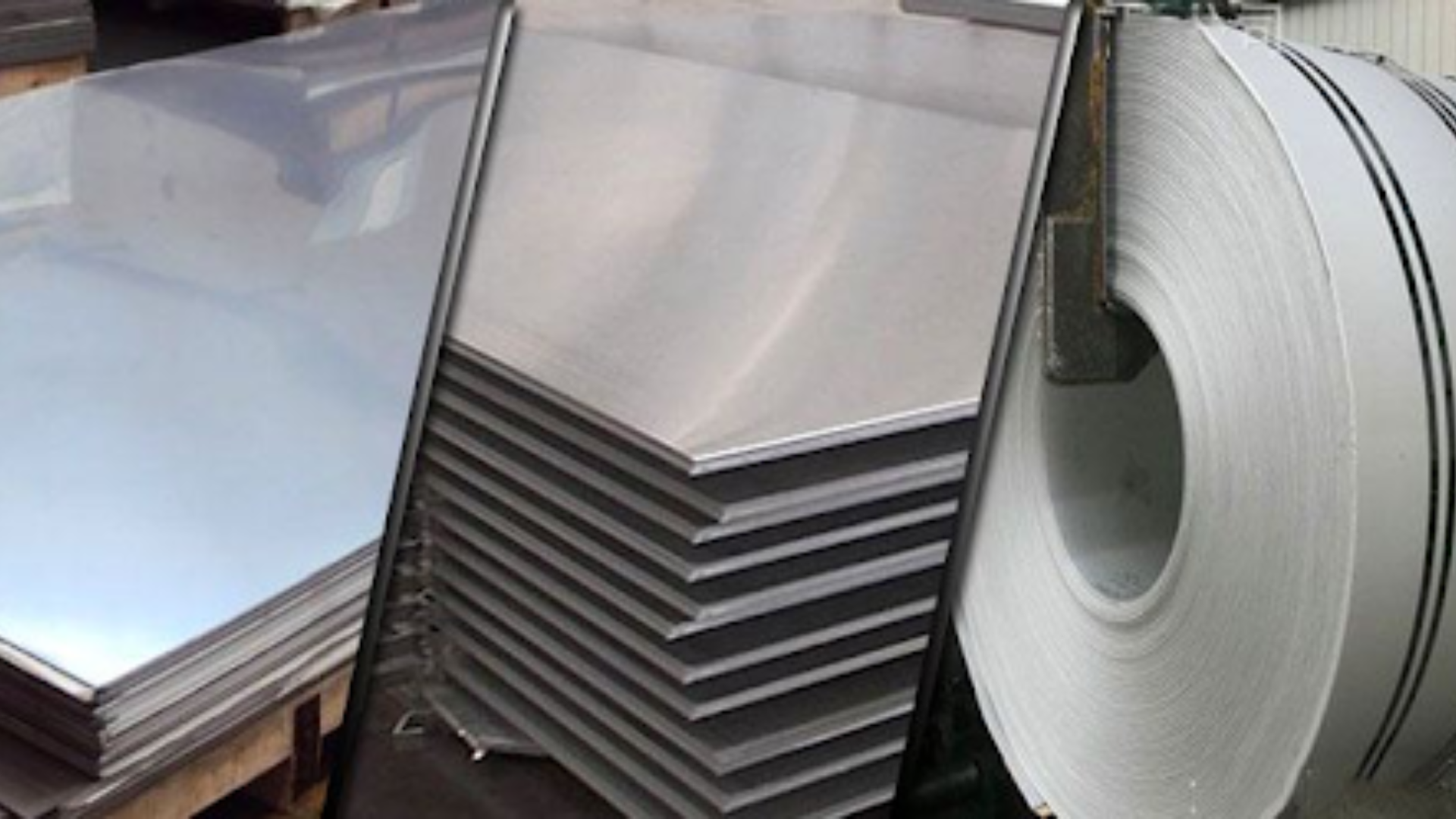
The corrosion resistance of Incoloy 825 is extremely high. Due to its high nickel content, it has a high level of corrosion resistance against chloride ions stress corrosion cracking, as well as an austenite structure that is very stable. This alloy is characterized by a high level of molybdenum and copper which makes it resistant to reducing agents as well as acids. In addition to its oxidative properties, chrome is also resistant to oxidising conditions such as nitric acid solutions, nitrates, and oxidising salts. This alloy is titanium stabilised so that it is able to resist pitting and intergranular attack after fabrication, particularly welding which involves heating in the critical sensitisation temperature range (650°C - 760°C) during the fabrication process.
In sulphuric acid service, alloy 825 exhibits outstanding resistance to corrosion caused by sulphuric and phosphoric acids, and is often the most cost-effective alloy due to its corrosion resistance.
Incoloy 825 is a nickel-iron-chromium alloy containing only a small amount of titanium, copper, and molybdenum. The alloy has the UNS code N08825. Due to its chemical composition, Incoloy® 825 is highly resistant to a wide range of corrosive environments, including pitting, crevice corrosion, intergranular corrosion, and stress corrosion cracking. Among the traits that set Incoloy 825 apart from other nickel alloys is its excellent mechanical properties from temperatures as low as 1600 degrees Fahrenheit to as high as 2150 degrees Fahrenheit. As an alloy, alloy 825 is also capable of undergoing all conventional welding processes with good weldability.
Applications of Incoloy 825
Typical Applications of Incoloy Alloy 825 include:
- Sulphuric acid piping and vessels
- Phosphoric acid evaporators
- Pickling tank heaters, pickling tanks and equipment
- Chemical process equipment
- Propellor shafts
- Tank trucks
- Calorifiers
- Electrostatic precipitator electrodes
- Hot vessels for food, water and seawater,
- Ammonium sulphate vessels
- Expansion bellows
- Marine exhaust systems
- Power station ash hoppers
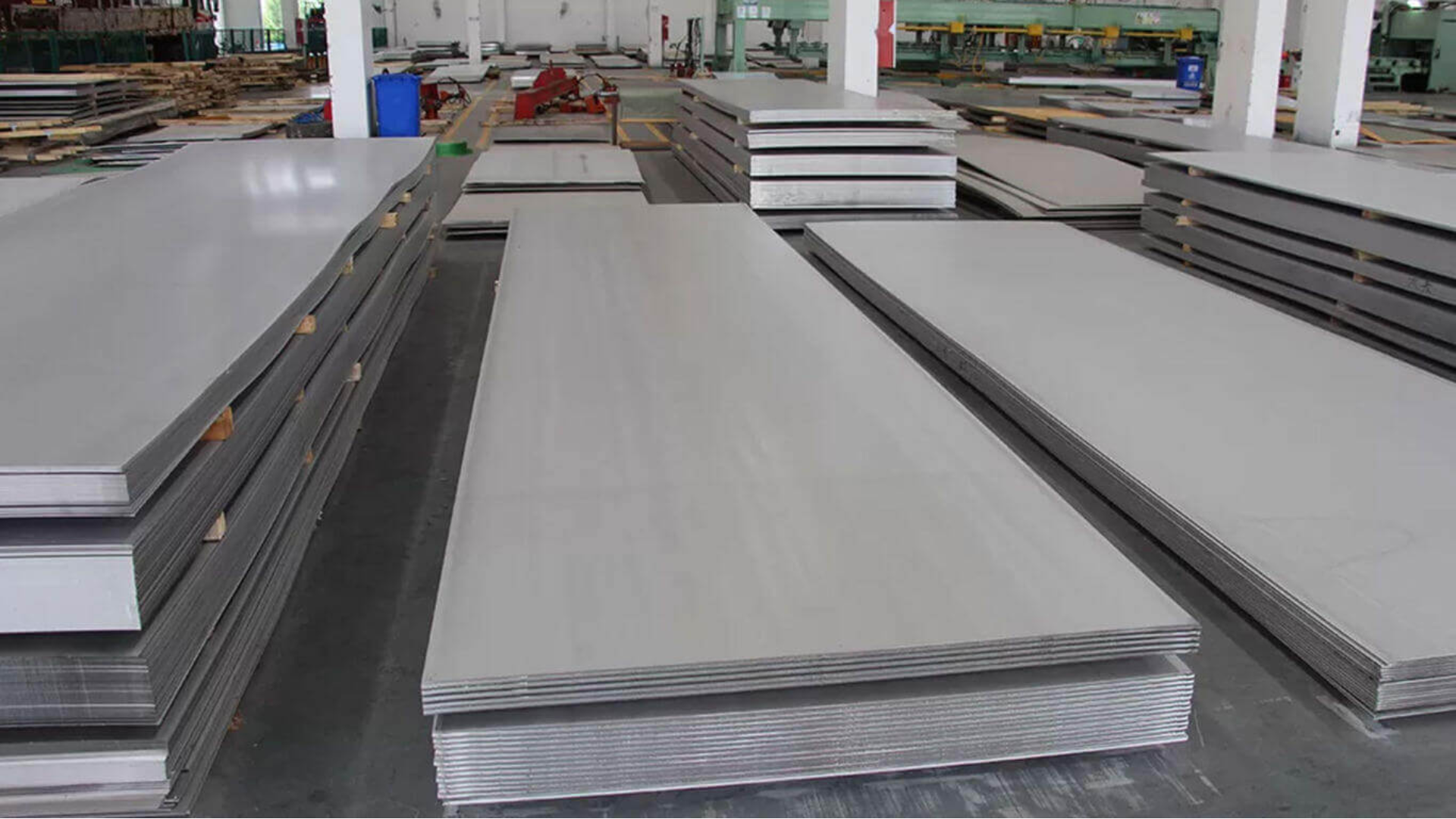
Incoloy 825 Material Advantages
In addition to its exceptional corrosion resistance, UNS N08825 is also designed to withstand a variety of aggressive environments. As with alloy 800, it is resistant to corrosion in water but has improved resistance to corrosion in aqueous solutions. It has also been shown to be excellently resistant to both reducing and oxidizing acids, to stress corrosion cracking, and to localized attacks such as pitting and crevice corrosion. It is also important to note that Alloy 825 Composition offers a number of additional benefits, such as:
- Good mechanical properties at both room and elevated temperatures up to approximately 1000°F
- Permission for pressure-vessel use at wall temperatures up to 800°F
- Excellent resistance to reducing and oxidizing acids
- Good resistance to stress-corrosion cracking
- Satisfactory resistance to localized attack like pitting and crevice corrosion
- Very resistant to sulfuric and phosphoric acids
In today's world the petrochemical industry, which is also known as the oil and gas industry, is going through tremendous changes and processes of modernization. Modern and advanced tools and techniques have been used extensively in the industry over the last few decades to make operations smoother and more efficient. As well as technical support, the key players of the project are also focusing on the material that will be used for the execution of the project. A difference in the material makes a difference in the way the process is completed in order to achieve the goal. Therefore, experts in the industry suggest using Incoloy 825 because of its exceptional corrosion resistance, so that it can be used in extreme environments without fear of corrosion. There are a number of applications, such as onshore and offshore extractions, where Incoloy 825 Pipes and Tubes are useful in high temperature and corrosion-resistant territory, including onshore and offshore extractions. In the petrochemical industry, Incoloy a825 material is a nickel-based alloy that offers a variety of options both cost-effectively and readily available in order to facilitate the manufacturing of pumps, valves, and process control systems for a variety of applications.
Key material suitable for oil and gas industry
Take a look at the benefits of using this popular Incoloy 825 pipe and tube in the oil and gas industry. An incoloy 825 alloy is a nickel-iron-chrome alloy containing molybdenum with less titanium than nickel and iron (0.6-1.2%).
Resist corrosion
In the oil and gas industry, materials that are in continuous contact with oil and gas are at risk of being corroded by the substances. Since there is a high risk of leakage and corrosion of pipes and tubes as a result of this fact, the sector requires highly efficient pipes and tubes to prevent leakage and corrosion. When it comes to selecting the best material when it comes to choosing anticorrosive piping systems for oil and gas service, Incoloy 825 is one of the materials that support the industry the best when it comes to selecting the right material for the job. With its superior strength and ability to resist pitting and crevice corrosion, it is known as the precursor of modern alloys, which is why it is considered the forerunner of modern alloys due to its strength and resistance to pitting and crevice corrosion. In this material, titanium is detected, which stabilizes the alloy against intergranular corrosion by stabilizing the intergranular bonds within the alloy. A balanced composition of elements offers a number of advantages and makes the system immune to both chloride stress corrosion cracking and general corrosion due to its balanced composition of elements.
It is well known that stress corrosion cracks are caused by chloride stress corrosion in materials that possess tensile strength because they are a form of localized intergranular corrosion. It is also possible for the phenomenon to occur when oxygen and chloride ions are present in the environment. The oil and gas industries show all these conditions, and hence there is enormous demand for Incoloy 825 pipes and tubes.
Other benefits of using Incoloy 825 pipes and tubes
As a result of the high alloy content of Incoloy 825 alloy, as well as its products, which include pipes and tubes, it is a material useful in a wide range of applications in the petrochemical industry. There are a number of applications in which Incoloy 825 pipes and tubes can be used to separate extracted fluids.